
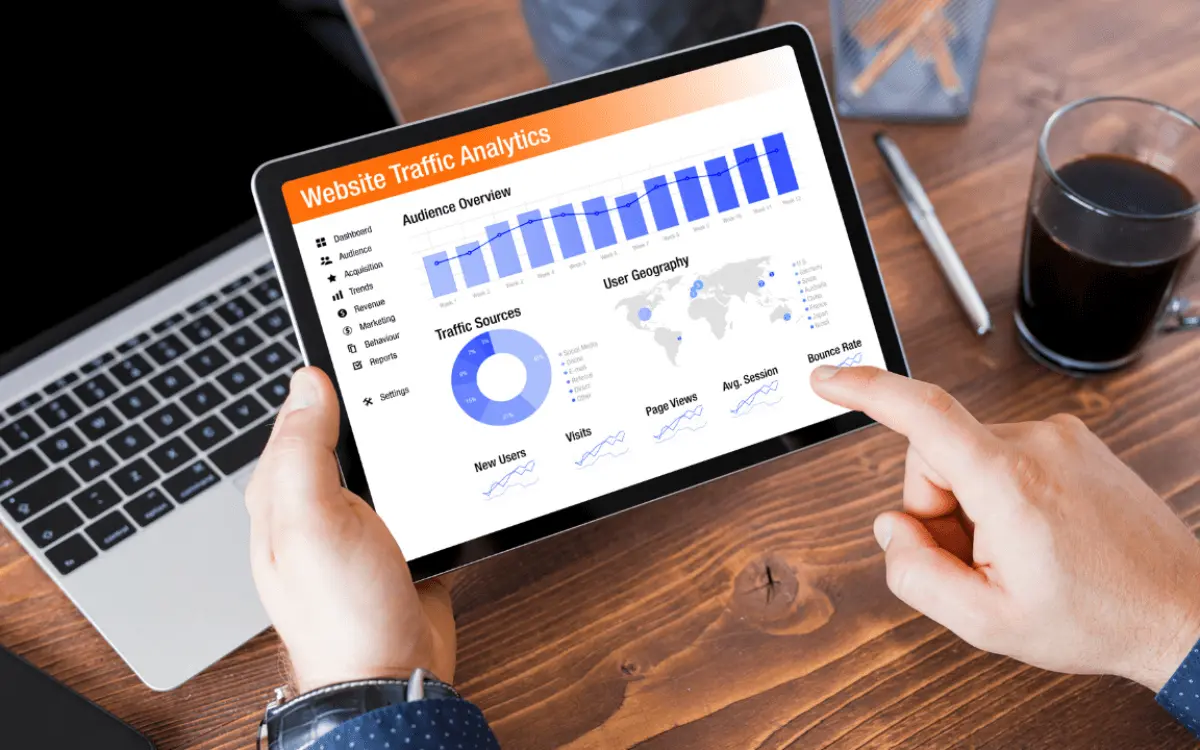
Benefits of SEO for Small Businesses: A Complete Guide

Operating a small business presents numerous difficulties. You face limited financial resources, fierce competitors, and ongoing demands to attract customers. Search engine optimization, or SEO, represents a strategy that can truly support your expansion efforts without exhausting your finances
This guide covers every real benefits of SEO for small businesses, how local search optimization plays a specific role, what drawbacks to expect, and how to take your first steps. After reading through this material, you will have a clear understanding of why SEO should be included in your business strategy.
1. What Is SEO and Why Does It Matter for Small Businesses?
1.1 Simple Definition of SEO
This involves making changes to your website that help it appear closer to the top when people use Google to find your products or services. If someone searches for “best plumber near me” or “affordable dentist in Dubai,” Google displays a list of options. The companies that appear first receive the majority of clicks. The goal is to position your business among those top results.
1.2 How SEO Works
It has four main parts. Keyword research finds the exact words your customers type into Google. Content creation means writing pages that answer those searches. Other websites create backlinks when they link to your site, and Google views each of these connections as a vote for your credibility. Technical SEO covers site speed, mobile design, and making sure Google can read your pages properly. All four parts work together to improve your ranking.
1.3 Organic Search vs. Paid Ads
When you pay for advertisements, your website immediately appears at the top of Google search results, but your traffic vanishes as soon as you stop spending money. Building organic search momentum requires three to six months of consistent effort, yet once you achieve it, visitors continue arriving at your site without needing to pay for each one. Small businesses operating with tight budgets find this sustained return on investment particularly valuable.
2. Top Benefits of SEO for Small Businesses
2.1 Drives Organic Traffic and Increases Online Visibility
Every day, thousands of people search Google for exactly what you offer. Without it, your competitors capture all that traffic and you get none of it. A well-optimized website appears in those searches and sends a steady stream of visitors to your site, people who are already interested in what you sell. More visibility also builds brand recognition. Even people who do not click the first time start to recognize your name when they keep seeing it in results.
2.2 Builds Brand Awareness and Credibility
People trust Google. When your business ranks on the first page, customers automatically associate you with authority and reliability. A high ranking signal that Google considers you a trustworthy source. This kind of credibility is something paid ads simply cannot replicate — you earn it through quality content, genuine reviews, and a well-built website. For small businesses competing against bigger brands, strong SEO can level the playing field completely.
2.3 Improves User Experience on Your Website
Many SEO improvements directly make your website better for real visitors. A faster loading speed, clearer page structure, easy mobile navigation, and well-organized content all improve your Google ranking and keep visitors on your site longer. A visitor who stays longer, reads more pages, and finds what they need easily is far more likely to become a customer. Optimized and good website design go hand in hand.
2.4 Generates High-Quality Leads and Drives Sales
When people search for “emergency AC repair in Abu Dhabi,” they’re actively looking to hire a service provider immediately. This high level of intent transforms organic search traffic into one of the most effective conversion sources available. It connects potential customers with your website precisely when they require your services or products. This approach differs significantly from conventional advertising methods that disrupt people who weren’t initially seeking your business. Instead, it allows customers to discover you exactly when they’re prepared to make a decision.
2.5 Cost-Effective Marketing That Fits Any Budget
Content you publish on your blog today has the potential to attract visitors to your website for years without any extra expense. Setting up a complete Google Business Profile requires no upfront payment. While paid advertisements bill you for each click, investing in SEO builds momentum over time. You invest your time and resources once to develop high-quality content, and that material continues generating results without recurring costs. Small companies can begin using basic no-cost tools and expand their efforts step by step as their income increases.
2.6 Helps You Outrank Competitors
Every customer who finds a competitor instead of you loses revenue. With this, you can research exactly what keywords your competitors rank for, create better content around those topics, and take their position in search results. You do not need a bigger budget to beat a competitor at SEO, you need a smarter strategy. Many small businesses outrank much larger companies simply by focusing on highly specific local and niche keywords the big brands ignore.
2.7 Supports Your Other Marketing Efforts
When you run a social media post and people Google your business name, strong SEO ensures they land on a professional website. When your email newsletter links to a blog post, optimized content keeps readers engaged. It strengthens every other marketing channel you use by giving all your traffic a strong, trustworthy destination.
2.8 Keeps You Informed About Your Market
Understanding what your customers actually type into search engines reveals their specific problems and the exact words they choose to describe them. This insight is valuable beyond it. It shapes your product decisions, your customer service approach, and your marketing messages. Noticing a spike in searches for a particular topic in your industry tells you what your customers care about right now.
2.9 Delivers Measurable, Trackable Results
With free tools like Google Analytics and Google Search Console, you can see exactly how many people visit your site through search, which pages they read, how long they stay, and what actions they take. Unlike a billboard or a radio ad, every SEO result is measurable. This information enables you to make more informed choices and avoid spending money on ineffective strategies.
2.10 Provides Long-Term Results
A page that ranks well can maintain its position for months or even years without requiring much ongoing work. The value of this investment continues to increase over time instead of starting over from scratch each month. For small businesses that want consistent and sustainable growth, this snowball effect makes it one of the smartest long-term marketing choices available.
3. Local SEO Benefits for Small Businesses
3.1 Attract Nearby Customers Searching Right Now
When someone types “hair salon near me” on their phone, they are ready to visit. Local SEO helps your business appear in those results. Google shows a map pack — the top three local business listings — above regular search results. A fully optimized local presence puts your business in front of people with immediate buying intent, which converts at a much higher rate than general search traffic.
3.2 Increase In-Store Foot Traffic
Studies show a large percentage of people who search for a local business visit that business the same day. For shops, restaurants, clinics, and any brick-and-mortar business, ranking well in local search results directly increases the number of people walking through your door. This is one of the clearest, most direct connections between online visibility and real-world revenue.
3.3 Get More Calls and Map Visits
Your Google Business Profile displays essential information like your phone number, location, operating hours, images, and customer feedback right in search results and Google Maps. Customers can quickly contact you, find directions to your business, or access your website with just one click. For local small businesses looking to boost their immediate visibility in the community, improving this free profile represents the most effective step you can take.
3.4 Tap Into the Mobile Shopping Trend
People primarily use their smartphones to search for local businesses. Whether they’re traveling to work, browsing in stores, or sitting in waiting rooms, they perform searches and make decisions right away based on what they find. When you have a website that works well on mobile devices and solid local search optimization, you can attract these potential customers. However, if your website takes too long to load on phones or your business information online is missing details, these customers will choose your competitors instead.
3.5 Establish Yourself as the Trusted Local Name
Consistently appearing at the top of local results, earning strong reviews, and publishing helpful local content builds your reputation as the go-to business in your area. National chains cannot replicate genuine local roots. It lets you turn your community presence into a real competitive advantage that bigger brands simply cannot copy.
3.6 Higher Conversion Rates
Local searches convert at a far higher rate than broad national searches. The person searching “electrician in Austin” is ready to hire. That specific intent makes local search traffic far more valuable per visitor than general traffic. Investing in it means the visitors you attract are more likely to become paying customers.
4. How SEO Fits Into Your Overall Digital Marketing Strategy
4.1 SEO and Content Marketing
Content gives SEO something to work with. When you write genuinely helpful pages that answer your customers’ questions, it gets those pages in front of the right audience. Good content earns backlinks, keeps visitors on your site longer, and builds authority, all of which push your rankings higher over time. The two work best when treated as one connected strategy, not separate activities.
4.2 SEO Supports Social Media and Email
When people click a link from your social media post or email newsletter, they land on your website. A fast, well-organized, SEO-optimized site turns that traffic into action. The stronger your website, the better the return you get from every other channel you invest in.
4.3 AI and SEO in 2026
Google now shows AI-generated summaries at the top of many search results. These summaries pull content from websites Google considers authoritative and well-structured. Clear, accurate, genuinely helpful content is the best way to earn a place in those AI summaries. For small businesses, the fundamentals of good optimization align perfectly with what AI-driven search rewards.
4.4 Mobile SEO Is Not Optional
Google prioritizes the mobile version of websites when determining search rankings. When your site performs poorly on smartphones – whether through slow loading times or display issues – it negatively impacts your search position. Mobile devices now account for over half of all online searches. Having a website that loads quickly and functions smoothly on mobile serves as the essential groundwork that supports all your other SEO strategies.
5. Potential Drawbacks of SEO and How to Overcome Them
5.1 SEO Takes Time
It does not deliver overnight results. Most businesses see meaningful improvements after three to six months of consistent effort. The key is to start early, stay consistent, and think of it as building a long-term asset rather than a quick campaign. A Google Business Profile optimized today, a helpful blog post published this week, a few reviews gathered this month — each step builds on the last.
5.2 Algorithm Updates
Google updates its ranking systems thousands of times each year. Businesses that rely on tricks and shortcuts get hurt by updates. Businesses that focus on quality content and genuine user experience tend to benefit from them. The best protection against algorithm changes is doing it the right way from the start.
5.3 DIY vs. Hiring a Professional
You can manage basic optimization yourself using free tools. Google Search Console, Google Analytics, and Google Business Profile cost nothing and cover the essentials. Hiring a freelancer or agency costs more but accelerates results, especially in competitive markets. Start with DIY basics to learn what works, then reinvest revenue into professional help when you are ready to scale.
6. How to Get Started With SEO as a Small Business
6.1 Start With Keyword Research
Write down the services you offer and the city or area you serve. Combine them: “electrician in Dallas,” “wedding catering Houston,” “kids dentist Brooklyn.” Type these into Google and look at the suggestions that appear. These are real searches your customers make every day. Build your content and page titles around these specific phrases.
6.2 Optimize Your Google Business Profile
Set up your complimentary business profile by visiting google.com/business. Complete all available sections with your company name, location, contact number, web address, operating hours, and a comprehensive overview of what you offer. Add authentic photographs of your business. Select the most accurate category that describes your services. Encourage happy clients to share their feedback and make sure to reply to all reviews that come in. Having a thorough and regularly maintained profile significantly boosts how prominently you show up in neighborhood searches and Google Maps listings.
6.3 Best Free SEO Tools
- Google Search Console — shows your rankings and flags technical issues
- Google Analytics — tracks your traffic and visitor behavior
- Google Business Profile — manages your local search presence
- Google PageSpeed Insights — tests your website loading speed
- Ubersuggest — free keyword research and competitor analysis
6.4 Track Your Results
Check your organic traffic, keyword rankings, and Google Business Profile views at least once a month. LFocus on patterns that emerge over three to six months rather than getting caught up in weekly fluctuations. Your data reveals which strategies are delivering results so you can expand those efforts, and it highlights problem areas that need attention.
6.5 Run a Basic SEO Audit
Use Google PageSpeed Insights to evaluate your website’s performance. Review Google Search Console to identify any technical issues. Ensure each page includes a descriptive title and concise meta description. Address broken links and replace missing images. Completing these fundamental tasks requires just a few hours but can immediately improve how search engines view your website.
Conclusion:
SEO is not complicated at its core. It is about showing up when your customers are searching, giving them a website worth visiting, and earning their trust through genuine content and reviews. It costs less than traditional advertising, delivers results that last longer, and works around the clock without you having to do anything extra once it is set up.
FAQs
Why is SEO important for small businesses?
Most customers now search online before choosing a local business. If you do not appear in those search results, you lose those customers to competitors who do. It ensures people can find you when they are actively ready to buy.
How long does SEO take to work?
Most small businesses see early improvements within three to four months and meaningful results within six to twelve months. Consistency matters more than speed. Steady, ongoing effort delivers far better results than a burst of activity followed by months of nothing.
What is the difference between local SEO and regular SEO?
Regular SEO targets national or broad search results. Local SEO targets searches specific to your city or region and includes your Google Business Profile, customer reviews, and local citations. For most small businesses serving a defined area, it delivers the fastest and most direct results.
RECENT POSTS
How to Avoid Keyword Stuffing?
azeem
August 12, 2025
Learn How Exclude Your Site from Google Search
azeem
October 27, 2025
FOLLOW US ON