What 6 elements define the best web page design today?
The web changes quickly. What looked great two years ago might feel outdated now. Today, the best web page design is not just about pretty colors or cool fonts. It is about how a visitor feels when they land on your site. It is about speed, ease of use, and helping people find what they need without any stress.
If you want your site to stand out, you need to focus on specific building blocks. Here are the six essential elements that define top tier web design in the current market.
1. Lightning Fast Loading Speeds
Nobody likes to wait. If a page takes more than a few seconds to load, most people will leave. Modern design starts with performance. This means optimizing images, using clean code, and picking a reliable host. Google even uses performance metrics called Core Web Vitals to decide how to rank your site. A fast site keeps users happy and helps you show up higher in search results.
2. A Mobile First Approach
Most people browse the internet on their phones. Because of this, the best web page design starts with the mobile screen. It is no longer enough to just make a desktop site look okay on a phone. The buttons must be easy to tap, the text must be easy to read, and the layout should flow naturally on a small screen. If your site works perfectly on a smartphone, it will likely work well everywhere else too.
3. Clear and Simple Navigation
Have you ever visited a website and felt lost? That is a sign of poor design. Great websites have a clear path. Users should know exactly where to click to find your services or contact your team. Use simple labels for your menu items. Avoid cluttering the header with too many links. When people can find what they want quickly, they are much more likely to stay and become customers.
4. High Contrast and Accessibility
Design should be for everyone. This includes people with visual impairments. The best web page design uses high contrast colors so that text is easy to see against the background. It also uses legible fonts that do not strain the eyes. Beyond colors, accessibility means making sure your site can be navigated using a keyboard or a screen reader. A truly professional site is one that everyone can use easily.
5. Purposeful Use of White Space
White space is the empty area between different parts of your page. Some people think white space is wasted space, but it is actually a powerful tool. It helps focus the visitor’s attention on what matters most, like your main message or a product image. By giving your content room to breathe, you make the whole experience feel more premium and less overwhelming.
6. Strong and Visible Calls to Action
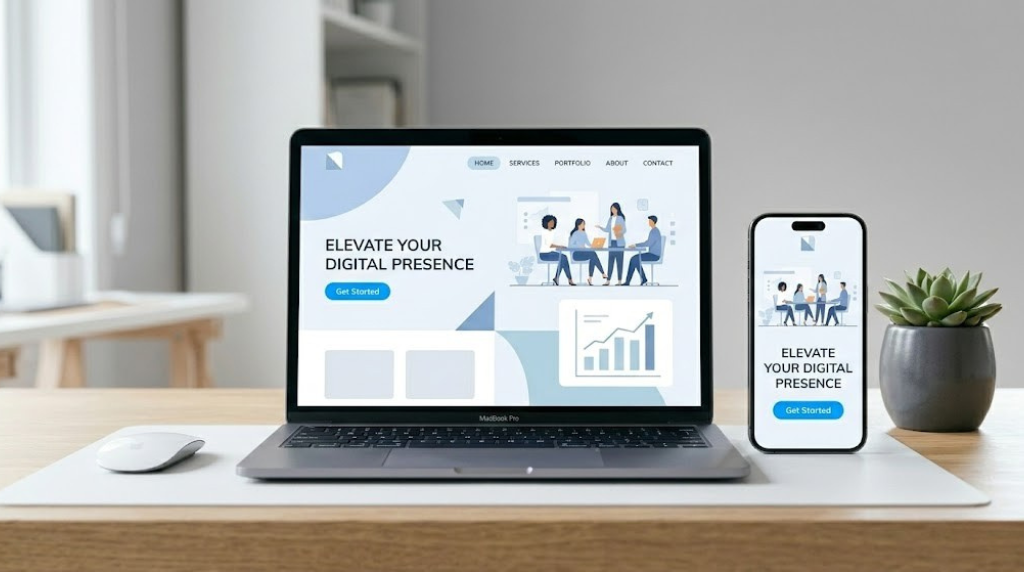
Every page on your site should have a goal. Whether you want someone to buy a product, sign up for a newsletter, or call your office, you need a clear Call to Action (CTA). These buttons should stand out using bold colors and direct language like “Get Started” or “Contact Us Today.” If you are looking for a partner to build these features, working with a professional website designing company can help you get the best results.
The Bottom Line
Creating the best web page design is a mix of technical skill and understanding your audience. By focusing on speed, mobile usability, clear navigation, accessibility, white space, and strong CTAs, you create a digital space that works for your business. Good design is an investment that pays off by building trust and turning visitors into loyal clients.